Watching the Aojiang River: a 2009 community water project
In 2009 volunteers set out to build a public network watching the polluted Aojiang River in southern Zhejiang. What the archive records, and how students can monitor rivers today.
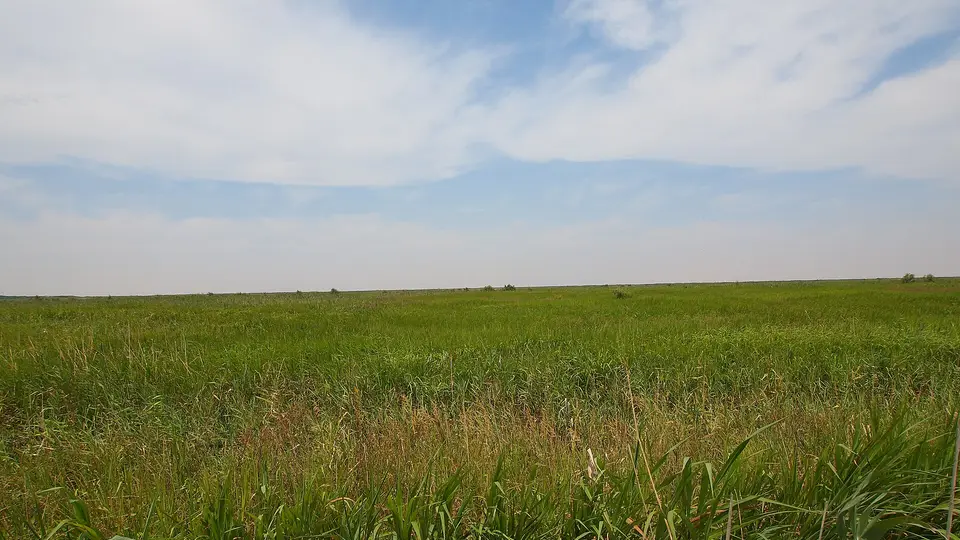
The Aojiang (鳌江) flows from the hills of southern Zhejiang to the East China Sea through Pingyang and Cangnan counties, south of Wenzhou. In the 2000s it was the focus of a community water-protection project run by the Green Eyes organization (绿眼睛). This page summarizes what archived copies of this website say about that project. It is an independent summary, not an official record; see the historical archive for background.
What the archive records
An archived 2009 project page introduces the Aojiang as one of Zhejiang's eight major river systems and one of the rivers in China known for a tidal bore. It describes serious pollution from untreated industrial wastewater, attributing it to the leather-tanning industry in the middle and upper reaches of the basin, and says the river's condition had deteriorated sharply since the early 1990s.
The project's stated goal was not technical clean-up but social: to build a network of people from different backgrounds who cared about the river, to give them a platform for sharing information, and so to create broad public pressure on polluters.
The same page describes a parallel project in Guangzhou, focused on pollution in the city's stretch of the Pearl River and the environment-and-health problems linked to it. For 2009 it planned to work with university environmental clubs: five student volunteer groups had formed survey teams, had received two training sessions and were beginning field investigations, to be followed by community action.
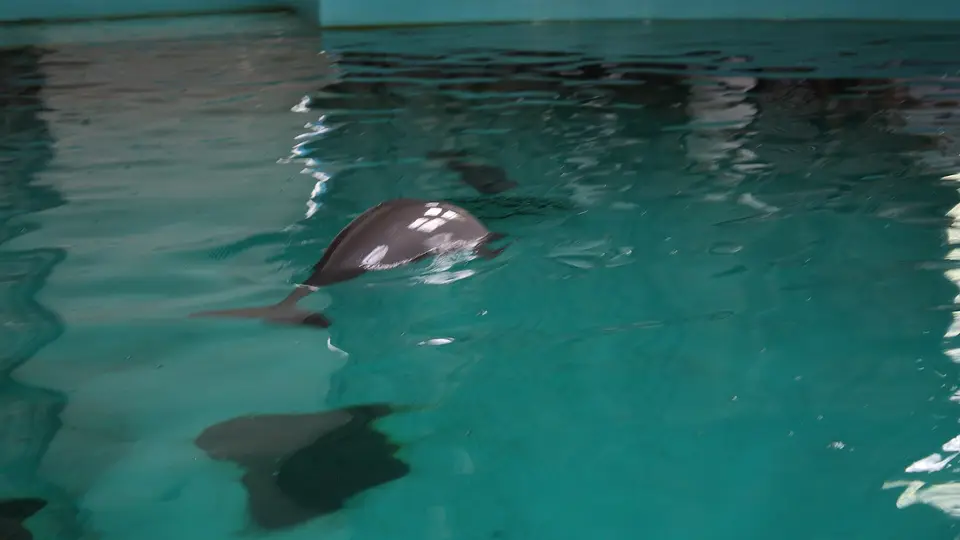
Other archive items connect to the river. The website's downloads section listed an Aojiang water-environment newsletter, and an item from August 2009 records volunteers recovering the carcass of a finless porpoise from the Aojiang in Pingyang — a reminder that the river's estuary is wildlife habitat as well as a water source.
Why community river monitoring still matters
The approach recorded here — local people, often students, observing a river regularly and sharing what they find — is now a well-established part of environmental education and citizen science around the world. Regular, recorded observations can show change over time, help authorities locate problems and build a community that cares about a place.
If you are a teacher or youth leader, our practical guide to a student river-watch project explains how to observe a stream safely, use simple water-quality indicators and record aquatic invertebrates as signs of river health. For the ecology behind it, see Wetland ecosystems.
A note of care: investigating pollution can bring young people into conflict with powerful interests and into hazardous places. Any project should be supervised by adults, focus on observation and learning, and share concerns through proper channels such as local environmental authorities.
References
- Green Eyes website, "水环境保护项目" (Water environment protection project), 2009 (Internet Archive copy). http://web.archive.org/web/20130901084457/http://www.greeneyeschina.org/gywm/xm/2009-04-04/63.html
- Green Eyes website, item on a finless porpoise carcass in the Aojiang River, 26 August 2009 (Internet Archive copy). http://web.archive.org/web/20130901101551/http://www.greeneyeschina.org/dt/2009-08-26/138.html
- Green Eyes website, downloads section listing newsletters, 2009–2010 (Internet Archive copy). http://web.archive.org/web/2010/http://www.greeneyeschina.org/gywm/xz/