Wetland ecosystems: what they are and why China's lakes, marshes and coasts matter
Wetlands store water, clean it, shelter fish and birds and lock away carbon. Learn about China's lakes, marshes, tidal flats and mangroves, the threats they face and the Ramsar Convention.
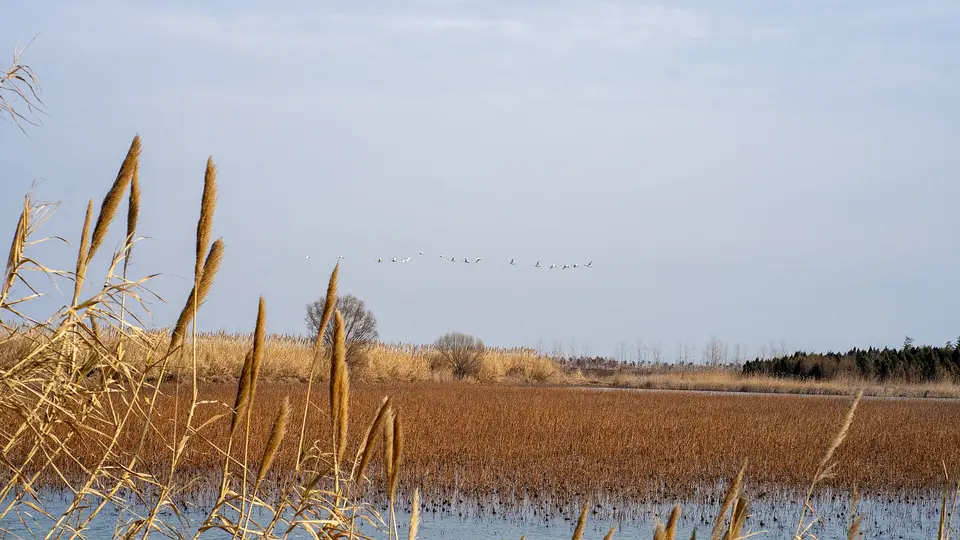
Wetlands are places where land and water meet. They can be as large as a lake that floods across hundreds of square kilometers each summer or as small as a village pond. They are among the most productive ecosystems on Earth, and also among the fastest disappearing. This article explains what wetlands are, introduces the main types found in China, describes the benefits they provide and outlines how countries cooperate to protect them through the Ramsar Convention.
What is a wetland?
The international treaty on wetlands, the Convention on Wetlands (usually called the Ramsar Convention), uses a deliberately broad definition. It includes areas of marsh, fen, peatland or water, whether natural or artificial, permanent or temporary, with water that is static or flowing, fresh, brackish or salt, including areas of marine water whose depth at low tide does not exceed six meters.
In everyday terms, that covers:
- rivers, streams and floodplains;
- lakes and ponds;
- marshes, swamps and peatlands;
- coastal tidal flats, salt marshes, estuaries and mangroves;
- shallow coastal waters, including coral reefs and seagrass beds;
- human-made wetlands such as rice paddies, fishponds and reservoirs.
What these places share is water that shapes the soil, the plants that grow there and the animals that depend on them.
Wetland types in China
China's size and range of climates give it an unusually wide variety of wetlands, from high plateau marshes to tropical mangroves.
Lakes and floodplains
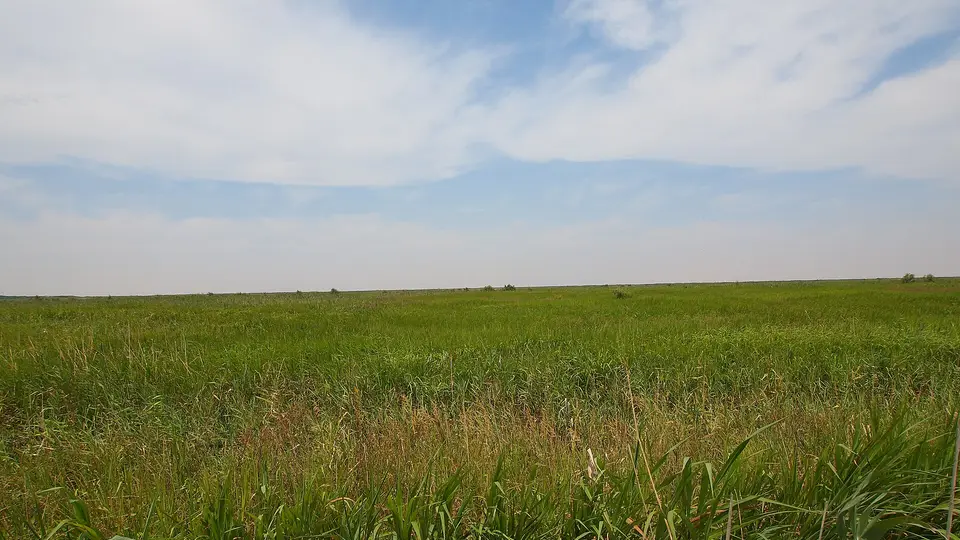
The middle and lower Yangtze River is lined with large lakes. Dongting Lake in Hunan and Poyang Lake in Jiangxi are connected to the Yangtze and rise and fall dramatically with the seasons. In the summer flood season they spread across vast areas; in winter the water retreats, exposing mudflats, meadows and shallow pools that support large numbers of wintering cranes, geese and other waterbirds. Part of Dongting Lake was among the first sites China designated as a Wetland of International Importance, in 1992. Large lakes such as Hongze Lake in Jiangsu, shown above, also support fisheries and the farming communities around their shores. Yangtze lakes and channels are home to the Yangtze finless porpoise.
Marshes and peatlands
Freshwater marshes are found across northeastern China and in river valleys throughout the country. On the eastern edge of the Tibetan Plateau, high-altitude marshes and peatlands such as those around Zoige (Ruoergai) in Sichuan store water that feeds major rivers. Peatlands build up slowly from partly decayed plants over thousands of years and hold large amounts of carbon.
Tidal flats and estuaries
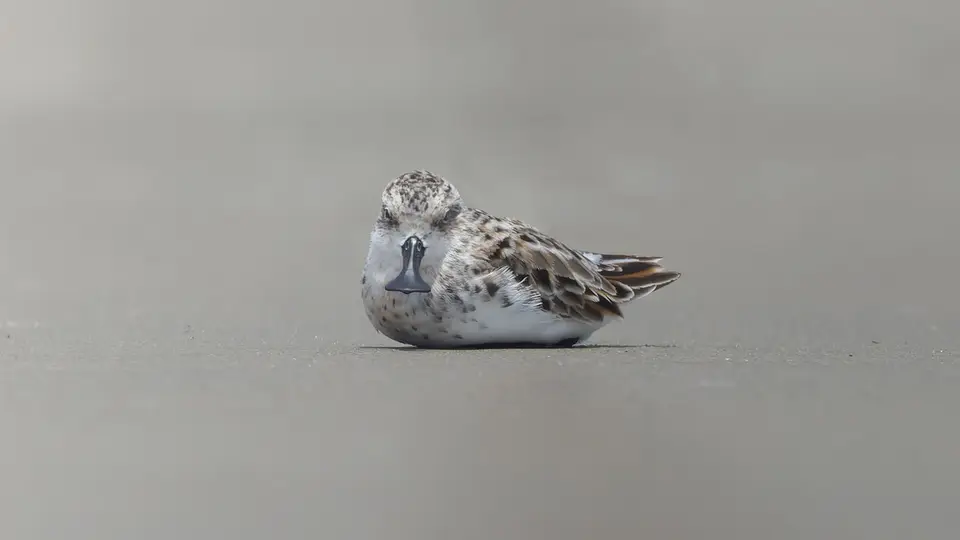
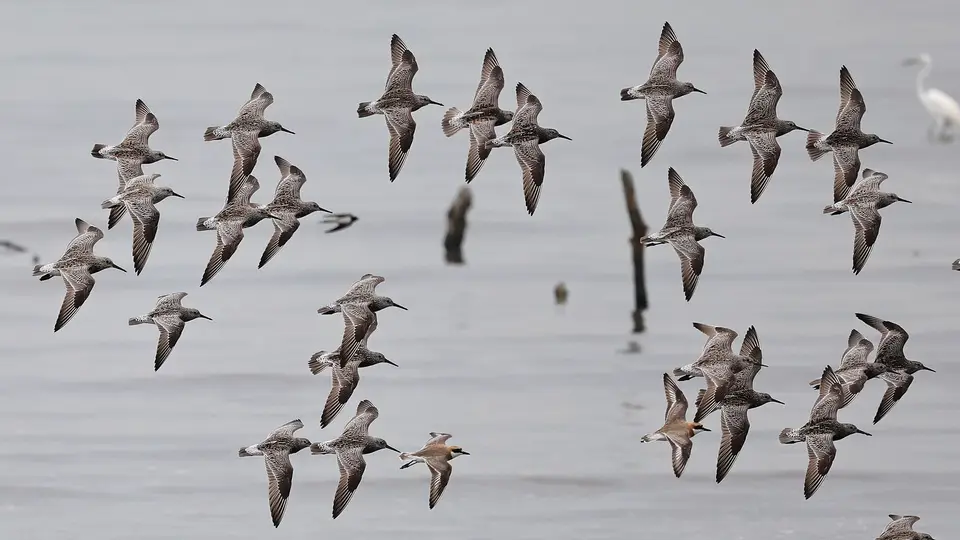
China's coastline along the Yellow Sea and Bohai Gulf has some of the most extensive intertidal mudflats in the world. At low tide they are exposed as great sheets of mud and sand rich in worms, shellfish and crustaceans. These flats are vital refueling stops for shorebirds migrating between the Arctic and Australasia. UNESCO has inscribed a series of these sites, the Migratory Bird Sanctuaries along the Coast of Yellow Sea–Bohai Gulf of China, on the World Heritage List, in phases agreed in 2019 and 2024. Read more in our articles on the Yellow Sea tidal flats and the East Asian–Australasian Flyway.
Mangroves
Mangroves are salt-tolerant trees and shrubs that grow in the intertidal zone of warm coasts. In China they occur mainly along the southern coastline, including Hainan, Guangxi, Guangdong and Fujian, as well as Hong Kong. At the Mai Po Marshes and Inner Deep Bay in Hong Kong, mangroves grow alongside mudflats, reedbeds and traditional gei wai shrimp ponds. The site has recorded about 460 bird species and supports globally threatened birds such as the black-faced spoonbill.
What wetlands do for people and wildlife
Scientists describe the benefits people receive from nature as "ecosystem services." Wetlands provide many of them.
- Water storage and flood control. Lakes, floodplains and marshes act like sponges, holding water during heavy rain and releasing it slowly.
- Cleaner water. Wetland plants and soils trap sediment and absorb or break down some pollutants.
- Food and livelihoods. Wetlands support fisheries, rice farming, aquaculture and reed harvesting. Many fish and shellfish depend on wetlands as nurseries.
- Carbon storage. Peatlands, mangroves and salt marshes can store large amounts of carbon in their soils for long periods.
- Coastal protection. Mangroves and tidal flats can reduce the force of waves and storm surges.
- Biodiversity. Wetlands support fish, amphibians, reptiles, insects and plants, and they are essential to migratory waterbirds.
- Learning and recreation. Wetland parks and reserves are outdoor classrooms for birdwatching, river monitoring and nature study. Our student river watch guide suggests simple activities.
Wetlands under pressure
Wetlands have often been treated as "wasteland" to be drained, filled or built on. The Ramsar Convention's Global Wetland Outlook (2018) estimated that about 35% of the world's wetlands were lost between 1970 and 2015, where data were available, a rate about three times faster than forest loss. Over a longer period, the 2019 global assessment by IPBES reported that more than 85% of wetlands present in 1700 had been lost by 2000.
The main pressures include:
- Reclamation of lakes and coasts for farmland, ports, industry and housing. A 2014 study using satellite images found that about 28% of the tidal flats around the Yellow Sea that existed in the 1980s had disappeared by the late 2000s, and historical maps suggested losses of up to 65% over five decades.
- Pollution from farms, factories and towns.
- Changes to water flow from dams, embankments and water extraction.
- Invasive species, which can crowd out native plants and change habitats.
- Climate change, which affects rainfall, drought and sea level.
Loss of wetlands is part of the wider problem described in our article on habitat loss and fragmentation.
The Ramsar Convention
The Convention on Wetlands was signed in 1971 in the Iranian city of Ramsar, which is why it is usually called the Ramsar Convention. It is one of the oldest global environmental treaties. Its member countries commit to three main "pillars":
- designating suitable wetlands for the List of Wetlands of International Importance ("Ramsar Sites") and managing them well;
- working toward the "wise use" of all wetlands, meaning keeping their ecological character healthy while people use them sustainably;
- cooperating internationally on shared wetlands, shared species and wetland issues.
China joined the convention in 1992 and has since designated dozens of Ramsar Sites, from inland lakes and plateau marshes to coastal mudflats and mangroves. China co-hosted the convention's 14th Conference of the Parties (COP14) in 2022, held in Wuhan and Geneva. In the same year, China's first national law dedicated to wetlands, the Wetland Protection Law, came into force.
Each year, World Wetlands Day on 2 February marks the anniversary of the convention's signing and is a good opportunity for schools and families to visit a local wetland.
Visiting wetlands safely and responsibly
- Children should always be supervised by an adult near water. Mud can be deep and soft, banks can collapse and water can be colder or deeper than it looks.
- On coasts, check tide times. Tides on wide mudflats can come in quickly; never walk far out onto tidal flats.
- Stay on paths and boardwalks, and keep a respectful distance from birds, especially flocks that are feeding or roosting.
- Take your litter home, and never release pets, fish or plants into wetlands.
Wetlands are working landscapes that keep water flowing, fish breeding and birds migrating. Protecting them protects us too.
References
- Convention on Wetlands (Ramsar Convention) Secretariat. https://www.ramsar.org/
- Ramsar Convention Secretariat, "Wetlands – world's most valuable ecosystem – disappearing three times faster than forests, warns new report", 2018. https://ramsar.org/news/wetlands-worlds-most-valuable-ecosystem-disappearing-three-times-faster-forests-warns-new
- IPBES, "Nature's Dangerous Decline 'Unprecedented'; Species Extinction Rates 'Accelerating'" (media release on the Global Assessment), 2019. https://www.ipbes.net/news/Media-Release-Global-Assessment
- Murray N.J. et al., "Tracking the rapid loss of tidal wetlands in the Yellow Sea", Frontiers in Ecology and the Environment 12(5), 2014. https://doi.org/10.1890/130260
- UNESCO World Heritage Centre, "Migratory Bird Sanctuaries along the Coast of Yellow Sea-Bohai Gulf of China". https://whc.unesco.org/en/list/1606
- Ramsar Sites Information Service, site record no. 551 (Dongting Lake, Hunan). https://rsis.ramsar.org/ris/551
- Agriculture, Fisheries and Conservation Department, Hong Kong SAR Government, Mai Po Inner Deep Bay Ramsar Site information page. https://www.afcd.gov.hk/english/conservation/con_wet/con_wet_look/con_wet_look_gen/con_wet_look_gen.html
- Sixth Tone, "At Ramsar COP14, China Pledges to Expand and Protect Wetlands", 2022. https://www.sixthtone.com/news/1011604