Wildlife markets and public health: zoonotic disease, One Health and policy since 2020
Selling live wild animals for food can create conditions for viruses to jump from animals to people. This article explains zoonotic disease risk, the SARS link to civets, One Health, and policy changes since 2020.
Since the COVID-19 pandemic began, many people have asked whether markets that sell wild animals are dangerous to human health. The answer from public health and veterinary agencies is that some markets can indeed create risks, especially where live wild mammals are kept, mixed and slaughtered in crowded conditions. This article explains why, looks at what is known from the SARS outbreak of 2002–2003, introduces the "One Health" approach, and summarizes policy responses since 2020. It tries to separate what is well established from what remains uncertain.
What is a "wildlife market"?
The term is used loosely, so it helps to be precise. Across Asia and elsewhere, many traditional fresh-food markets (sometimes called "wet markets") sell vegetables, fish, meat and live poultry. Most of these markets do not sell wild animals. A wildlife market, or a section of a market, is one where wild-caught or farmed wild animals are sold, often alive, for food, medicine or as pets. Public health concern focuses mainly on this narrower category, and particularly on live wild mammals.
Zoonoses: diseases that cross from animals to people
A zoonosis is an infection that passes between animals and humans. Many important human diseases began this way. A widely cited 2008 analysis in Nature by Kate Jones and colleagues examined emerging infectious disease events from 1940 to 2004 and found that about 60 percent were zoonoses, and that most of these, about 72 percent, originated in wildlife rather than domestic animals.
Live wildlife markets can increase the chance of "spillover" for several reasons:
- Many species close together. Animals from different regions and habitats that would never meet in nature are caged side by side, allowing viruses to pass between species.
- Stress. Capture, transport and crowding can weaken animals and may increase the amount of virus they shed.
- Close contact with people. Traders, butchers, cleaners and customers handle animals, blood and organs.
- Little screening. Unlike regulated livestock, wild animals sold in markets usually have no veterinary checks, and there is no practical way to test them all for unknown viruses.
In April 2021, the World Health Organization (WHO), the World Organisation for Animal Health (WOAH, then called OIE) and the UN Environment Programme (UNEP) issued joint interim guidance. It noted that wild animals are the source of more than 70 percent of emerging infectious diseases in humans, many caused by novel viruses, and recommended that national authorities suspend the sale of live caught wild mammals in food markets as an emergency measure, unless effective regulations and risk assessments are in place. It also called for better market hygiene, surveillance of animal diseases and information for traders and consumers.
The SARS lesson: civets and bats
Severe acute respiratory syndrome (SARS) was first detected in southern China in November 2002. By 2003 it had spread to 29 countries in total. WHO puts the case fatality rate among confirmed cases at around 9.6 percent.
In 2003, a team led by Yi Guan of the University of Hong Kong published a study in Science reporting that viruses closely related to the SARS coronavirus had been found in Himalayan palm civets, and evidence of infection in a raccoon dog, at a live animal market in Guangdong. Some workers at the market also had antibodies to the virus. This was strong evidence that market animals had played a role in transmission to people, even though civets were not thought to be the original source.
Later research pointed to bats. In 2017, a study in PLOS Pathogens described five years of sampling in a single cave in Yunnan Province inhabited mainly by horseshoe bats. The scientists found a highly diverse pool of SARS-related coronaviruses there, including strains closely resembling SARS-CoV in key genes, and proposed that the virus's direct ancestor may have formed through recombination among bat viruses. The widely accepted picture today is that bats were the natural reservoir and civets in the market trade acted as intermediate or amplifying hosts.
COVID-19: what is and is not known
Some of the earliest known COVID-19 cases in December 2019 were linked to a traditional food market in Wuhan, the Huanan Seafood Wholesale Market. This link prompted rapid policy changes. However, the origin of SARS-CoV-2 remains under investigation.
In June 2025, WHO's Scientific Advisory Group for the Origins of Novel Pathogens (SAGO) published an independent assessment. It concluded that the weight of available evidence suggests the virus entered humans through spillover from animals, either directly from bats or through an intermediate host, but that much of the information needed to evaluate all hypotheses fully had not been made available. WHO stated that all hypotheses must remain on the table and that the work to understand the origins is unfinished. Readers should be cautious of any source that presents the question as settled. Our guide to trusted sources offers tips on evaluating claims.
One Health: connecting people, animals and ecosystems
One Health is an approach that recognizes that the health of people, domestic and wild animals, plants and the wider environment are closely linked. An expert panel advising four international agencies (FAO, UNEP, WHO and WOAH) defined it as an integrated, unifying approach that aims to sustainably balance and optimize the health of people, animals and ecosystems.
In practice, One Health means doctors, veterinarians, ecologists, food-safety officials and wildlife authorities working together, for example by:
- monitoring diseases in wildlife and livestock, not only in people;
- regulating wildlife trade and farming to reduce risky contact;
- protecting habitats, since forest clearance and land-use change can bring people, livestock and wildlife into closer contact;
- improving hygiene and food safety in markets.
In 2022 these four agencies, known as the Quadripartite, launched a One Health Joint Plan of Action (2022–2026) to help countries put this approach into practice.
China's policy response since 2020
China's response focused on wildlife consumption and trade:
- January 2020: national authorities temporarily suspended wildlife trade during the epidemic.
- February 24, 2020: the NPC Standing Committee banned eating terrestrial wild animals, including captive-bred ones, and banned hunting, trading and transporting wild-living terrestrial animals for food.
- 2021: an updated list of key protected wild animals was published, and a criminal law amendment made serious cases of illegally hunting or trading wild terrestrial animals for food a crime.
- 2022–2023: the revised Wildlife Protection Law, in force from May 1, 2023, wrote the consumption ban into law and required markets, restaurants and online platforms not to facilitate illegal wildlife trade.
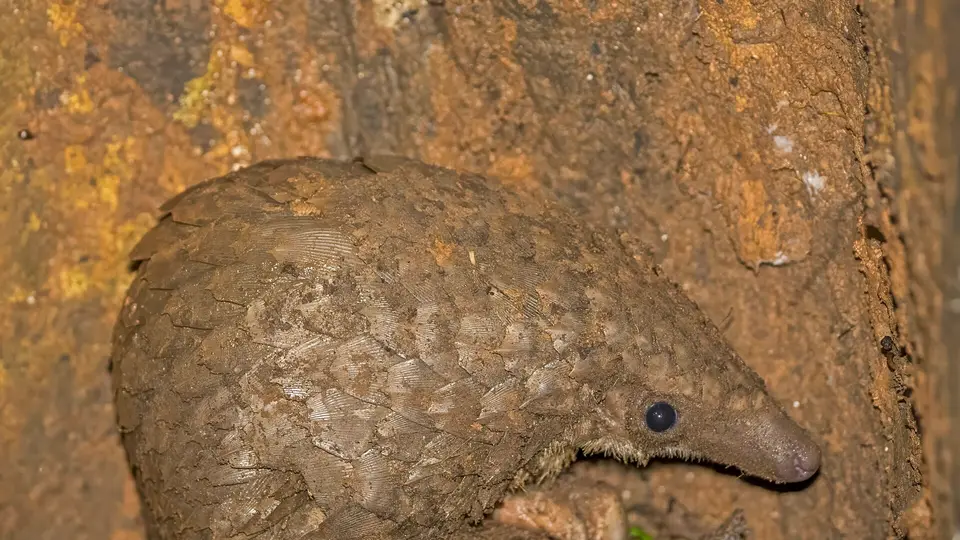
Our article on China's Wildlife Protection Law explains these changes in more detail. Protection was also strengthened for some heavily traded species, such as pangolins.
Debates and trade-offs
Researchers broadly agree that reducing risky contact with wild animals is sensible, but they debate how best to do it. A 2021 commentary in Nature Sustainability by Lian Pin Koh and colleagues described China's ban as a viable, if controversial, response to the pandemic, and warned that a narrow focus on bans could do more harm than good if it disproportionately penalized small-scale farmers and traders. Other common concerns include:
- Livelihoods: many rural households had invested in wildlife farming and needed support to change.
- Displacement: bans can push trade underground or online, where it is harder to monitor. See our overview of the illegal wildlife trade.
- Scope: some risky animals, including certain aquatic species and farmed fur animals, are regulated under different rules.
- Beyond markets: spillover can also happen through hunting, farming, habitat clearance and contact with livestock.
What individuals can do
- Do not buy or eat wild animals or products of uncertain origin.
- Avoid touching wild animals, sick or dead birds and mammals, or their droppings.
- If you find a sick or injured wild animal, do not handle it; contact local wildlife authorities or a licensed rescue center. See our guide on finding an injured wild animal.
References
- Jones, K.E. et al., "Global trends in emerging infectious diseases", Nature 451, 2008. https://doi.org/10.1038/nature06536
- World Health Organization, World Organisation for Animal Health and UN Environment Programme, "Reducing public health risks associated with the sale of live wild animals of mammalian species in traditional food markets: interim guidance", 2021. https://www.who.int/publications/i/item/WHO-2019-nCoV-Food-safety-traditional-markets-2021.1
- World Health Organization, "Severe Acute Respiratory Syndrome (SARS)" (health topic page). https://www.who.int/health-topics/severe-acute-respiratory-syndrome
- Guan, Y. et al., "Isolation and characterization of viruses related to the SARS coronavirus from animals in southern China", Science 302, 2003 (PubMed record). https://pubmed.ncbi.nlm.nih.gov/12958366/
- Hu, B. et al., "Discovery of a rich gene pool of bat SARS-related coronaviruses provides new insights into the origin of SARS coronavirus", PLOS Pathogens, 2017. https://doi.org/10.1371/journal.ppat.1006698
- World Health Organization, "WHO Scientific Advisory Group issues report on origins of COVID-19", 2025. https://www.who.int/news/item/27-06-2025-who-scientific-advisory-group-issues-report-on-origins-of-covid-19
- World Organisation for Animal Health, "Tripartite and UNEP support OHHLEP's definition of 'One Health'", 2021. https://www.woah.org/en/tripartite-and-unep-support-ohhleps-definition-of-one-health/
- Koh, L.P., Li, Y. and Lee, J.S.H., "The value of China's ban on wildlife trade and consumption", Nature Sustainability, 2021. https://www.nature.com/articles/s41893-020-00677-0