Planning field trips and nature camps that are safe, low-impact and worth it
A practical planning guide for teachers, youth leaders and parents organizing ecology field trips or choosing a summer nature camp, covering learning goals, risk management, low-impact behavior and follow-up.
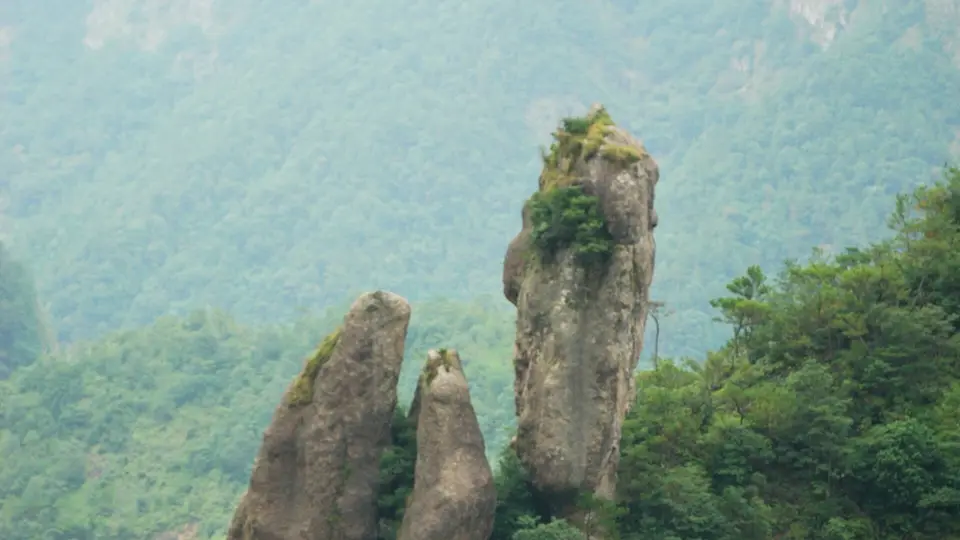
A good field trip can be the most memorable part of a school year. Standing in a wetland at dawn as birds arrive, or tracing the layers of rock on a mountain path, makes classroom ideas real. But a trip that is poorly planned can be stressful, unsafe or simply forgettable. The same is true of summer nature camps, which have become popular with families in China and elsewhere.
This guide covers four things that make the difference: clear learning objectives, careful risk management, low-impact behavior on site, and proper follow-up. It ends with a checklist for parents choosing a nature camp.
Start with learning objectives
Before booking a bus, decide what students should know, be able to do, or feel by the end of the trip. Objectives shape everything else: the site, the timing, the activities and the follow-up.
Examples:
- Students will be able to describe three adaptations of wetland plants and explain how they help the plant survive.
- Students will collect and compare data on insect numbers in two habitats.
- Students will identify five common bird species by sight or sound.
- Students will explain how rock formations at the site were shaped over time.
Good field trips have three parts:
- Before: introduce key ideas, vocabulary and questions, so students arrive knowing what to look for. Explain the rules and the reasons for them.
- During: keep activities focused and hands-on. Small groups with clear tasks—a transect, a sound map, a sketch, a species checklist—work better than a long guided talk.
- After: analyze data, discuss findings, and connect them back to the curriculum.
Choose the site carefully
- Visit beforehand if at all possible. Check paths, toilets, shelter, mobile signal, access for vehicles and for students with disabilities, and potential hazards.
- Contact site managers. Nature reserves, wetland parks, geoparks and national parks often have education staff, rules for groups and seasonal restrictions (for example, during bird breeding seasons). Some areas require permission to enter. Our article on national parks and protected areas in China gives background.
- Think about timing. Season and time of day affect what students will see, as well as heat, crowds and weather risk.
Manage risk sensibly
Risk management is not about eliminating all risk—outdoor learning always involves some—but about identifying significant hazards and taking reasonable steps to control them. Follow your school's, education authority's or organization's policies first; they set the legal and procedural requirements that apply to you. Published guidance, such as the UK Department for Education's advice on educational visits and the Outdoor Education Advisers' Panel's National Guidance, offers useful models even outside the UK.
A practical risk assessment
For each significant hazard, write down who might be harmed, how, and what you will do about it. Common hazards on ecology trips include:
- Water: rivers, ponds, reservoirs, coasts and tidal flats. Drowning is a leading cause of death among children worldwide, according to the World Health Organization. Keep students away from water unless water-based activities have been specifically planned with appropriate supervision and equipment. Never let students wade in fast-flowing, deep or cold water, and check tide times on coasts.
- Terrain: steep slopes, cliffs, loose rock, slippery boardwalks.
- Weather: heat, sun, thunderstorms, sudden cold or rain. Have a plan to shorten or cancel the trip.
- Plants and animals: stinging or toxic plants, biting insects, ticks, and venomous snakes in some regions. Teach students not to touch unknown plants or animals and not to put hands into holes or under rocks without looking.
- Traffic and transport: road crossings, parking areas, bus safety.
- Getting lost: clear boundaries, buddy pairs, regular head counts, and a meeting point.
- Health: allergies, asthma, medication needs, and fatigue.
Essentials to organize
- Supervision: enough adults for the age of the students and the type of activity, as required by your school or authority. Brief every adult on their role.
- Consent and information: written parental consent, emergency contact numbers and medical information for each student.
- First aid: a trained first-aider and a first-aid kit, and knowledge of where the nearest medical help is.
- Communication: a charged phone, a backup contact at school, and a plan if the mobile signal is poor.
- Emergency plan: what to do if a student is injured, goes missing or the weather turns.
Leave No Trace: low-impact behavior on site
The Leave No Trace Center for Outdoor Ethics has developed seven principles that are widely used to guide visitors to natural areas. They translate well for school groups:
- Plan ahead and prepare – know the rules and conditions of the site.
- Travel and camp on durable surfaces – stay on paths; avoid trampling vegetation.
- Dispose of waste properly – carry out everything you bring in, including food scraps.
- Leave what you find – take photos and notes, not flowers, shells, rocks or eggs.
- Minimize campfire impacts – follow local rules; many sites prohibit fires entirely.
- Respect wildlife – observe from a distance, never feed animals, and keep noise down.
- Be considerate of other visitors – share paths and viewpoints.
Large groups have a bigger impact than individuals, so split into small groups and keep voices low near wildlife. Our guide to ethical wildlife observation explains why disturbance matters, especially at nesting sites and roosts.
If students find an animal that seems injured or orphaned, they should not touch it. Note the location and inform the group leader, who can contact site staff, local wildlife authorities or a licensed rescue center. See what to do if you find an injured wild animal.
Follow up after the trip
The days after a trip are when learning is consolidated.
- Analyze data collected on site and compare it with published information.
- Ask students to write, draw or present what surprised them.
- Discuss what could be done to protect the site, and whether the class could contribute—for example through a citizen-science project or a letter to site managers.
- Review the trip with colleagues: what worked, what to change next time.
For trips that include water-quality or wildlife sampling, our student river watch guide gives a full method.
Choosing a summer nature camp: a checklist for parents
Nature camps vary widely in quality and safety. Before booking, ask:
- Who runs it? Is the organization properly registered, and does it hold the permits, licenses and insurance required where it operates?
- Who are the staff? What training do they have in first aid, outdoor leadership and child safeguarding? Have staff been background-checked where this is required?
- What is the adult-to-child ratio, and how does it change for activities near water, at night or on hikes?
- What is the water-safety policy? Is swimming allowed, where, and under what supervision? Are life jackets provided for boating?
- What is the emergency plan? How far is the nearest hospital? How will parents be contacted?
- How are wildlife encounters handled? Good camps teach children to watch animals without disturbing them. Be cautious of programs that offer close contact with captive wild animals or animal performances.
- What will my child learn? Look for clear learning goals, qualified educators and time for real exploration, not only sightseeing.
- Can I see past feedback? Ask for references from other families.
If the answers are vague, consider another option.
For approaches to bringing learning outdoors closer to home, see nature-based learning.
References
- UK Department for Education, "Health and safety on educational visits". https://www.gov.uk/government/publications/health-and-safety-on-educational-visits
- Outdoor Education Advisers' Panel, "National Guidance". https://oeapng.info/
- Council for Learning Outside the Classroom. https://www.lotc.org.uk/
- US National Park Service, "Leave No Trace Seven Principles". https://www.nps.gov/articles/leave-no-trace-seven-principles.htm
- World Health Organization, "Drowning" fact sheet. https://www.who.int/news-room/fact-sheets/detail/drowning
- Global Geoparks Network. https://www.globalgeoparksnetwork.org/