Watching wildlife responsibly: a practical code of conduct for birders and photographers
Good wildlife watching puts the animal first. Our practical code covers distance, nests, baiting, playback, flash, drones, sharing locations of sensitive species and honest photography.
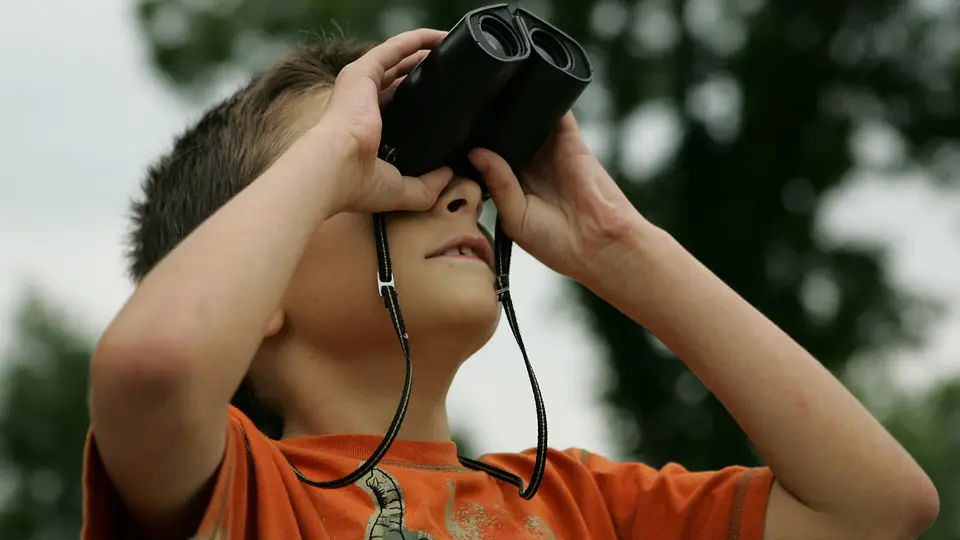
Birdwatching and wildlife photography have become popular hobbies in China and around the world. Binoculars, long lenses and smartphones let more people than ever enjoy herons on a city river, raptors on migration or a rare bird turning up in a park. That popularity brings a responsibility. A single person who gets too close may do little harm, but dozens of people, every day, at the same nest or roost can change how animals behave, where they feed and whether they breed successfully.
This guide sets out a practical code of conduct, drawing on widely used codes such as the American Birding Association's Code of Birding Ethics and the National Audubon Society's guide to ethical bird photography. The principle behind all of them is simple: the welfare of the animal comes before the sighting or the photograph.
1. Keep your distance
There is no single "safe" distance that works for every species. A heron in a busy city park may tolerate people at a few meters, while a nesting crane in a remote marsh may be disturbed from hundreds of meters away. Instead of a fixed number, watch the animal.
Signs that you are too close include:
- the animal stops feeding, resting or preening and stares at you;
- birds raise their heads, call in alarm, freeze or start to walk or swim away;
- a flock lifts off ("flushes") or keeps shifting further away;
- mammals stop what they are doing, change direction or run.
If you see any of these, stop and move back slowly. Never walk toward birds to make them fly for a photograph. Use binoculars, a spotting scope or a telephoto lens so you can stay further away, and use vehicles, hides or natural cover where they are available.
Flushing birds costs them energy. This matters most for migratory shorebirds resting at high tide and for wintering waterbirds, which need every bit of energy to survive and travel. Read more about their journeys in our article on the East Asian–Australasian Flyway.
2. Take extra care around nests and young
The breeding season is when animals are most vulnerable. Disturbance can keep parents away from eggs or chicks, leaving them exposed to cold, heat or predators.
- Keep well away from active nests, colonies, roosts and display sites.
- Do not move, cut or tie back branches or plants to get a clearer view. The vegetation around a nest hides it from predators.
- Limit the time you spend near a nest, and avoid repeated visits.
- On beaches and riverbanks, never stand between a nest and the water or feeding area, and respect any roped-off zones.
- Do not handle eggs, chicks or young animals. A young bird or mammal on its own is usually not abandoned; its parents are often nearby, waiting for you to leave. If you are worried an animal really is in trouble, read our guide on what to do if you have found an injured wild animal.
3. Do not bait, lure or chase
- No baiting. Do not use live animals, dead animals, meat or decoys to attract birds of prey, owls or other wildlife for photographs. Baiting can change natural behavior, make animals dependent on people and expose them to traffic or other dangers.
- Limit playback. Playing recorded calls can draw birds away from nests and cause stress. Avoid it altogether for rare or threatened species, in heavily visited sites and during the breeding season.
- Do not feed wild mammals. Feeding monkeys, deer or wild boar can lead to aggressive behavior, injury to people and poor health for the animals.
- Do not chase. Never follow animals by car, boat or on foot to keep them in view.
If you keep a garden bird feeder, keep it clean and stocked with suitable food, and place it where birds are safe from windows and cats.
4. Flash and night-time watching
Use flash sparingly, if at all, and only as a supplement to natural light. Avoid using direct flash on owls and other nocturnal animals. Keep spotlights and torches pointed away from animals' eyes and use them for as short a time as possible.
5. Drones
Drones are increasingly common, and their noise and movement overhead can disturb birds and other wildlife. Do not use drones to photograph or film birds, and never fly a drone near nests or colonies. Many nature reserves and parks restrict or ban drone flights, and aviation rules also apply. Check the rules before you go and follow them.
6. Think before you share locations
Sharing sightings helps other people enjoy wildlife and can contribute valuable data to citizen-science databases. But for some species, publishing an exact location can attract crowds, photographers or, worse, poachers and trappers.
- Sensitive species include nesting birds, owls at day roosts, rare vagrants in fragile habitats and any species targeted by the illegal wildlife trade, such as songbirds, birds of prey and some reptiles.
- Delay or generalize. The citizen-science platform eBird advises waiting until a sensitive bird has moved on before reporting it, and giving a general area rather than an exact spot.
- Strip location data. Remove GPS information from photos of sensitive species before posting them online.
- Researchers face the same dilemma. Two ecologists, David Lindenmayer and Ben Scheele, argued in Science in 2017 that openly published location information on rare species can help poachers and collectors, and that some details should be withheld.
When in doubt, share the story and the photo but not the place.
7. Photograph honestly
A wildlife photograph tells viewers something about the natural world, so it should be truthful.
- Say in your caption if an animal was captive, baited, or photographed at a feeding station.
- Do not photograph animals at "game farms" that keep wild animals for paid photo sessions.
- Do not remove animals from their habitat or pose them for a picture.
- Remember that no photograph is worth harming the animal in it.
8. Respect places, rules and people
- Stay on paths and boardwalks, and avoid trampling plants or disturbing other animals.
- Follow the rules of nature reserves and national parks. Some areas, especially core zones, may be closed to visitors. Our article on national parks and protected areas explains how zoning works.
- Do not enter private land without permission, and be courteous to farmers, fishers and residents.
- Keep groups small and quiet, and make sure everyone in the group knows the code.
- Take all litter home, including fishing line, which can entangle birds.
Watching with children
Wildlife watching is one of the best ways for children to learn about nature. Outings should always be supervised by an adult, especially near rivers, lakes, coasts and roads. Choose safe paths, check tide times on the coast and keep children well back from deep or fast-flowing water. Our page on outdoor ecological learning has more ideas for safe, hands-on activities.
Quick checklist
Before you go:
- I know the rules of the site, including any restrictions on drones and closed areas.
- I have binoculars or a long lens so I can keep my distance.
- Children in the group have an adult supervising them near water.
While watching:
- I watch for signs of stress and move back if an animal reacts to me.
- I stay well away from nests, roosts and young animals.
- I do not bait, use playback for sensitive species, chase or feed wildlife.
- I avoid flash on owls and other nocturnal animals.
- I stay on paths and respect other people and private land.
After watching:
- I check whether a species is sensitive before sharing its location.
- I remove GPS data from photos of sensitive species.
- My captions are honest about how a photo was taken.
References
- American Birding Association, "ABA Code of Birding Ethics". https://www.aba.org/aba-code-of-birding-ethics/
- National Audubon Society, "Audubon's Guide to Ethical Bird Photography and Videography". https://www.audubon.org/get-outside/audubons-guide-ethical-bird-photography
- eBird (Cornell Lab of Ornithology), "Guidelines for Reporting Sensitive Species". https://ebird.org/news/sensitive_species
- Lindenmayer D. and Scheele B., "Do not publish", Science 356(6340), 2017. https://doi.org/10.1126/science.aan1362