Family sustainability projects: practical ideas to try at home
Five practical projects that families can do together at home, with simple ways to measure progress and keep children involved, from a food-waste diary to a balcony wildlife corner.
Sustainability can feel abstract to children: climate, biodiversity and pollution are huge, distant problems. Projects at home make these ideas concrete. A child who weighs the family's food scraps for a week, or watches bees visit a pot of flowers they planted, learns something about cause and effect that no worksheet can teach.
The five projects below work in an apartment as well as a house. Each includes a way to measure progress, because seeing results is what keeps families going.
Getting started: a few principles
- Let children lead where they can. Ask them to choose the first project, design the chart, or explain the rules to grandparents.
- Measure before and after. A simple record—weight, number of times, minutes—turns good intentions into a real experiment.
- Keep it positive. Aim for progress, not perfection, and avoid making children feel guilty or anxious about global problems.
- Connect home and school. Many of these projects echo school conservation activities, so children can compare results.
1. The food-waste diary
Food waste is one of the easiest environmental issues for families to measure. The UN Environment Programme's Food Waste Index Report 2024 estimated that about 1.05 billion tonnes of food were wasted worldwide in 2022, and that households accounted for around 60 percent of it—an average of 79 kilograms per person per year at home.
In China, reducing food waste is also a matter of law: the Law of the People's Republic of China on Food Waste was adopted on 29 April 2021, following years of "clean your plate" campaigns.
How to do it
- For one week, put all inedible scraps (peels, bones, shells) and all edible food that is thrown away (leftovers, spoiled produce, expired items) in separate containers.
- Weigh or estimate each container daily. Children can record the results in a chart.
- At the end of the week, talk about why food was wasted: cooked too much? bought too much? forgot what was in the fridge?
- Choose two or three changes—a shopping list, a "use first" shelf in the fridge, smaller portions with second helpings available, a weekly leftovers meal—and repeat the diary a month later.
If you have space, composting inedible scraps or using a community food-waste collection scheme is a good next step. Follow local rules on waste sorting.
2. The water detectives
Saving water at home is mostly about leaks and habits.
How to do it
- Find leaks. If your home has a water meter, read it before bed and again in the morning when no water has been used. If the number has changed, there may be a leak. Children can also check taps for drips and listen for toilets that keep running.
- Time the shower. Use a timer or a favorite song to keep showers short. Record the times for a week, then set a family target.
- Reuse where safe. Water used to rinse vegetables can water houseplants. Do not reuse water containing soap, chemicals or raw meat juices on edible plants.
- Turn off the tap while brushing teeth or soaping hands.
The US Environmental Protection Agency's WaterSense program offers simple household tips that apply in most countries. Compare your water bill or meter readings over several months to see the effect.
3. A balcony or windowsill habitat
Even a small balcony can offer food, water and shelter for insects and birds.
How to do it
- Plant for pollinators. Choose flowering plants suited to your area, ideally native species, with flowers at different times of year. A local garden center, botanic garden or nature group can advise.
- Skip the pesticides. They can kill the insects you want to attract.
- Add water. A shallow dish with a few stones for insects to land on works well. Change the water every few days to keep it clean and to stop mosquitoes breeding.
- Leave some untidiness. A few dead stems or a small pile of twigs can shelter insects.
- Keep a sightings list. Children can photograph and record visitors over the seasons.
Things to avoid
- Do not feed wild birds bread or salty, processed food.
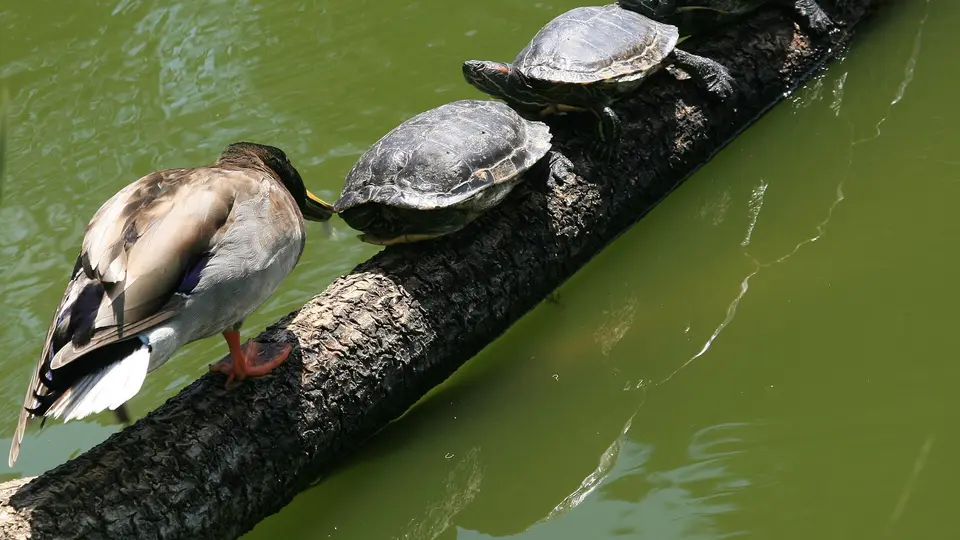
- Never release pet turtles, fish, birds or plants into the wild. Released pets can harm native wildlife and often die themselves; our article on red-eared sliders and invasive pets explains why.
- Do not try to catch or keep wild animals. Watch them, following the guidance in ethical wildlife observation.
- If a bird or other animal appears injured, do not treat it at home; see what to do if you find an injured wild animal and contact local wildlife authorities or a licensed rescue center.
4. Repair before you replace
Repairing things keeps them in use longer and reduces waste and demand for new materials. It also teaches practical skills and patience.
How to do it
- Start a family "repair box" with basic supplies: needle and thread, buttons, glue, tape, a small screwdriver set.
- Once a month, choose one broken item—a torn shirt, a wobbly chair, a toy with a loose wheel—and try to fix it together.
- Keep a list of what you repaired and what it would have cost to replace.
- Look for community repair events. The Repair Café movement began in Amsterdam in 2009 and has spread to many countries, and groups such as the Restart Project run events where volunteers help people fix electronics.
Safety: adults should handle anything involving mains electricity, batteries, sharp blades or strong solvents. Never open devices with large batteries or capacitors (such as microwave ovens) without expert help.
5. A family nature journal
A nature journal is a notebook where you record what you see outdoors: drawings, notes, questions, pressed leaves, weather and dates. It builds observation skills and creates a record you can look back on years later.
How to do it
- Choose a regular spot—a park, a tree outside the window, a balcony planter—and visit it often.
- Each person draws or writes one thing they notice. Younger children can draw; older ones can add measurements or questions to look up later.
- Use three prompts: I notice… I wonder… It reminds me of…
- Note the date and weather, so you can compare seasons and years.
- Take only photos and notes; leave flowers, nests and eggs where they are.
Keeping it going
Projects often fade after the first enthusiastic week. A few tips:
- Put charts somewhere visible, such as the fridge door.
- Link projects to family events: a monthly "repair day", a seasonal nature walk.
- Share results with grandparents, friends or your child's class.
- Celebrate milestones—a month without throwing away fruit, the first butterfly on the balcony.
For background on how children learn about the environment at different ages, see our guide to environmental education for children.
References
- UN Environment Programme, "Food Waste Index Report 2024", 2024. https://www.unep.org/resources/publication/food-waste-index-report-2024
- National People's Congress of China (via China Daily NPC portal), "Law of the People's Republic of China on Food Waste", 2021. https://subsites.chinadaily.com.cn/npc/2021-04/29/c_689496.htm
- US Environmental Protection Agency, "Reducing Wasted Food at Home". https://www.epa.gov/recycle/reducing-wasted-food-home
- US Environmental Protection Agency, "WaterSense: Start Saving". https://www.epa.gov/watersense/start-saving
- National Wildlife Federation, "Garden for Wildlife". https://www.nwf.org/Garden-for-Wildlife
- The Restart Project. https://www.therestartproject.org/